
The Forgiveness Protocol
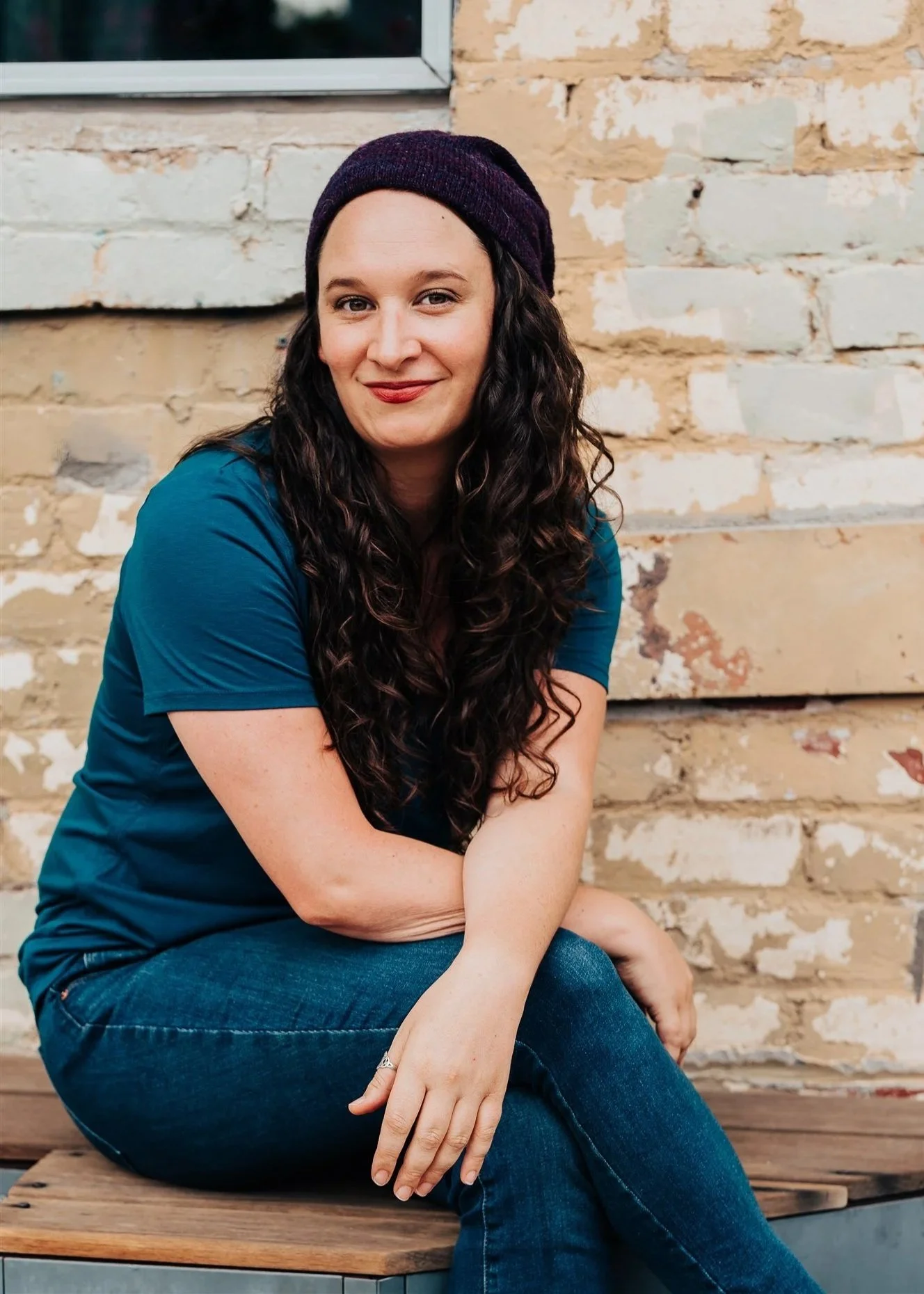
As a survivor, I couldn't find a definition of forgiveness that felt right, so I created one.
Then, I built a process that gets you there.
Modern Day Forgiveness (mod·ern day for·give·ness) noun: a non-religious, intentional process of releasing and letting go — entirely for the person who's been harmed.
A new definition for a historical concept.
Most of us were taught that forgiveness is something you give to someone else.
You forgive for the sake of peace, for the family, for God, for moving on.
Maybe they meant well. But somewhere in that message, you got left out.
You kept asking: What about me? What about my hurt? My pain?
That's the problem with the version of forgiveness most of us we were taught.
Carrying unresolved anger, resentment, or pain isn't strength – it's survival and it’s exhausting.
The research backs this up. Holding onto hurt isn't just emotionally heavy, it has real consequences for your mind, body, and life:
It keeps your nervous system stuck in stress mode. Chronic stress raises cortisol, elevates blood pressure, and keeps your body in a constant state of low-grade threat, even when the danger is long gone.
It takes a real toll on your physical health. Studies link carrying unresolved resentment to increased risk of cardiovascular disease, weakened immune function, and disrupted sleep, which means you keep hurting long after it’s “over.”
It feeds anxiety and depression. Research shows it increases negative moods and creates barriers to psychological growth, keeping you emotionally stuck in a chapter you'd rather close.
It shows up in your closest relationships. The anger and guardedness you carry toward one person often bleeds into how you show up with people who have nothing to do with it.
It keeps part of your mind permanently occupied. Replaying what happened, what you should have said, what they should have done quietly drains your focus, creativity, and capacity for joy.
of Americans say they want more forgiveness in their life.
What people say after The Forgiveness Protocol
I was reluctant to try this method, because I didn’t want to spend two hours stewing in my sadness and anxiety. But I also knew I couldn’t keep holding on to what I had been. When Brinn reassured me I wouldn’t stew, I consented and I am so grateful I did. By the end of the session, I felt so alive and awake, it turned out to be just what I needed and the tools she provided feel like ones I can come back to time and time again.
- Samantha Robertson
It’s like all the bad memories have been filed away in the back of my brain and all the good memories finally have space to come forward.
- Michelle Powell
I understood more about where they were coming from, and for the first time, it really sunk in. Even though I still don’t want a relationship with them, yet, I feel more peace in my mind, and that’s what I was looking for.
- Brendon White
What The Forgiveness Protocol actually looks like

The Forgiveness Protocol is a powerful, personalized experience built around your forgiveness journey.
This includes: One 2-hour Intensive Session plus one 50-minute Integration Call so you can focus on moving forward – for you, not them.
Together, we spend less time talking about the problem and more time in guided meditations that actually make real change.
How does it work?
First, we use subconscious release tools like Neurolinguistic Programming (NLP) and Mental Emotional Release (MER) to let go of old emotions like anger, sadness, fear, hurt, guilt and shame.
Then, we use the Hawaiian forgiveness practice of Ho’oponopono, to forgive yourself and anyone else.
Finally, we connect with the younger parts of you to work on acceptance and recalling your power back to you.
Because here's the thing: you can logically want forgiveness and still not be able to feel it. But that's not a willpower problem. That's a nervous system and subconscious problem.
of our patterns, emotions, and behavior are controlled by our subconscious mind.
By using tools that work below the surface we can reach places that traditional therapy often misses.
The Forgiveness Protocol helps you:
Release strong emotional charge around people and experiences that caused hurt
Clear resentment, anger, and grief stored in your body and nervous system
Reclaim your own power by releasing emotional ties to the past
Find acceptance, compassion and empathy for yourself and others
Move forward without rehashing every detail of what happened
You don't need to understand it to release it. But releasing it will help you understand it.
This is for you if…
- You want real change, not just to rehash the problem again.
- You're done letting harmful emotions and stories run the show.
- You want to forgive, but every definition you've been given feels like letting someone off the hook.
- You're ready to stop carrying this — not for them, but finally, for you.
Curious how The Forgiveness Protocol could impact your life?
The Forgiveness Protocol includes:
One powerful 2-hour Intensive Session plus one 60-minute Integration Call.
Three hours of dedicated time to releasing & letting go whatever’s not serving you – for you, not them.
Personal Investment $399
Frequently Asked Questions
-
Yes, absolutely. The Forgiveness Protocol is a coaching package available to anyone, anywhere in the world. All sessions are held virtually.
-
The Forgiveness Protocol works beautifully alongside ongoing therapy. Many clients use it to accelerate and deepen the work they're already doing with their therapist.
-
Many clients choose to continue working together after their Forgiveness Protocol session. We can discuss ongoing coaching options during the Integration Call.
-
I’m happy to schedule a free 15 minute consultation to see if this is the right step for you. Together, we'll talk about where you are, what you're hoping to move through, and whether The Forgiveness Protocol is the right fit. No pressure, no obligation. Click here to schedule a free call.